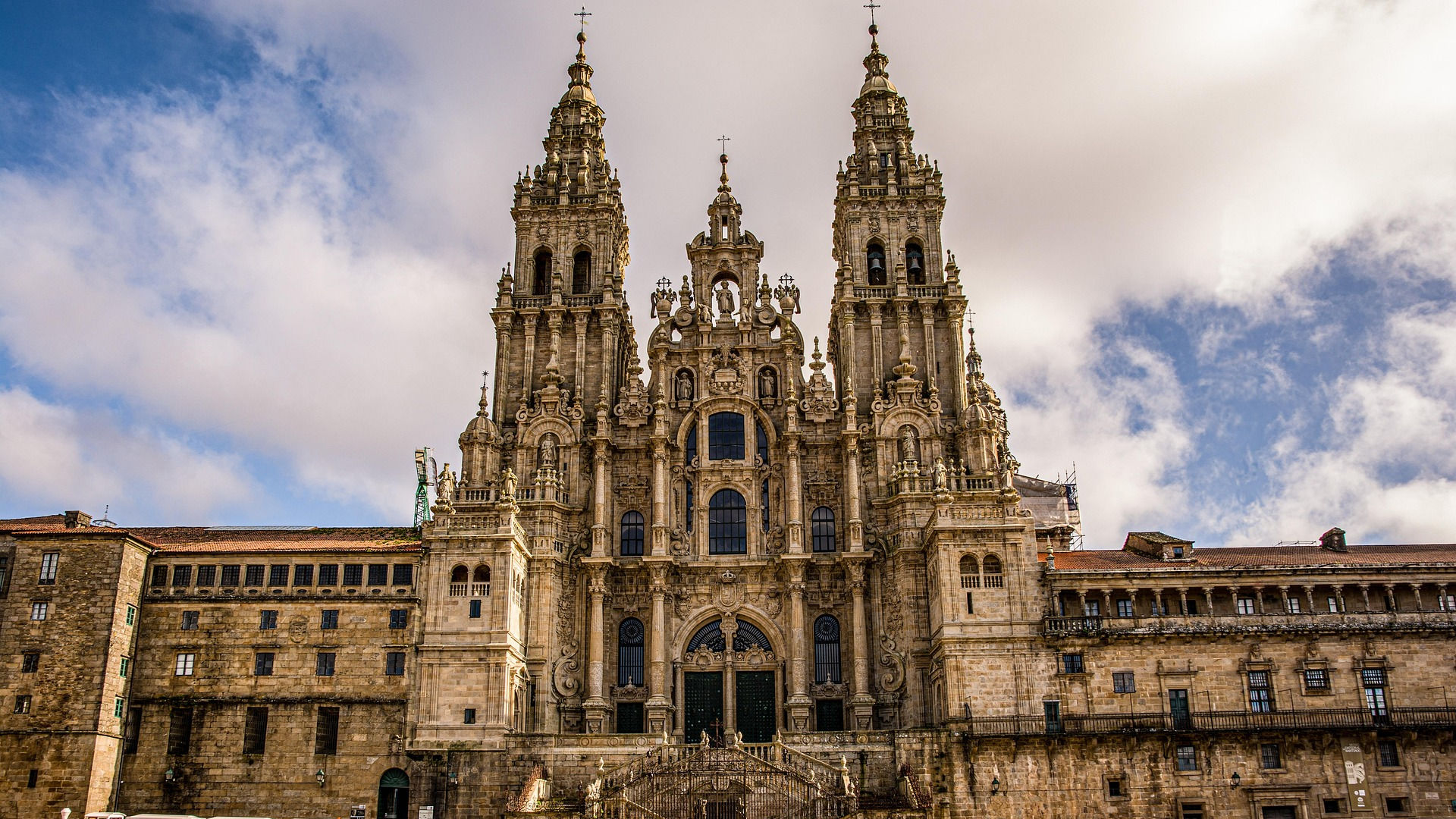
If you’re of a certain age, you probably remember the essay The Cathedral and the Bazaar. The TL;DR was that old open source was the cathedral of exclusive developers and groups. Then the Bazaar showed up (which was the Linux Kernel for example) and that freed us from the shackles of the cathedral.
Except if we look at how things evolved, it wasn’t actually a bazaar. It was a bunch of roadside churches that are now megachurches. But there is still a bazaar, and it’s holding up our modern infrastructure.
A short history lesson
Back in the early days there was a person named esr. Don’t look him up, he’s not exactly role model material. He didn’t like some people who called themselves GNU. Which is an acronym for “Gnu’s not Linux”. The GNU project was also started by a person who isn’t role model material. esr was big mad that GNU wouldn’t just take any open source contribution, you had to follow their rules. But in Linux there were no rules!!!
Well, except all the rules a person named Linus made up. History will probably remember him as LTT, “Linus The Torvalds”.
But anyway, so esr told us not using GNU was cool and we should all just create whatever we wanted. And this mostly happened because it’s what everyone was already doing. There is an obscene amount of open source. Most of it is on GitHub now, which is owned by Microsoft. Who we haven’t mentioned in this story, but they hated Linux more than a toddler hates naps. After being visited by 3 ghosts one evening, they decided to like Linux and open source. It’s a long complex story but it could be summed up as if you can’t beat them, join them. But that’s not important right now.
Enter the megachurch
Let’s fast forward to the modern day. The idea of the bazaar isn’t alive and well when we think of most of the open source that survived from the cathedral era. This is what I’m going to call “Megachurch Open Source”. Projects like the Linux Kernel, Python, Apache, even Rust or Node.js aren’t some free for all bazaar development. These are now large well structured organizations, often a foundation. If we want to be a part of them it requires a commitment. That could be time or it could be money.
Big companies will often tithe to these megachurches. Some churches are bigger than others. The Linux Foundation makes hundreds of millions of dollars. Smaller foundations like the Python Software Foundation have to make do with only a few million.
You have to follow their contributions rules if you’re looking to give them projects or code commits. If you try to donate a project to the Linux Foundation there are many rules. They are concerned with things like intellectual properly, contribution copyrights, and licenses. A project can’t be a single company or person, they want a community to exist.
It’s important to point out there’s nothing wrong with this model. Most of these foundations are doing a ton of good. Many employ open source developers. They encourage companies to make contributions (both money and code).
The bazaar doesn’t care
But the bazaar still exists, and it’s most of open source by the raw numbers. There’s a blog post I wrote a while back titled Open Source is one person. It shows how most open source projects aren’t some giant megachurch like group. These projects are one person.
It’s easy to assume everyone else is also a megachurch member, even if they are not. The church members are pretty noisy and get a lot of attention.
Some of the bazaar projects will end up joining or building a megachurch, but most won’t. Most will forever thrive in the chaos of the bazaar. The bazaar is much less worried about intellectual property, or licenses, or copyright. This is much to the annoyance of the megachurch praise band pastors.
Back when The Cathedral and the Bazaar was written, it was to make the case that the bazaar was superior the cathedral. If you look at modern day open source, it sometimes feels like the megachurch open source is better because they have a nice parking lot, give out donation receipts, and it doesn’t smell like kabobs.
A person named Thomas Depierre wrote a blog titled You Are All On The Hobbyists Maintainers’ Turf Now. He breaks down how modern open source works. He doesn’t call it the bazaar, but that’s what he’s talking about. The whole post is too good to plagiarize any of it here, so just go read it.
If reading isn’t your thing I had a chat with him on the podcast Hobbyist Maintainers with Thomas DePierre.
So what’s next?
The Cathedral was built to keep out the unwashed masses. The Megachurches were built to collect tithes. But the Bazaar wasn’t built. It’s always existed and will always exist. There’s nowhere to park your SUV. You will have to walk around, and probably don’t wear nice shoes.
But what do we do when the bazaar has become the load bearing foundation of all modern infrastructure? Nobody knows, but that doesn’t mean there’s no hope.
Our friend Thomas Depierre recently wrote a blog post explaining why it’s so hard to fund open source. It’s titled The Hobbyist Maintainer Economic Gravity Well. Thomas explains a lot of the challenges around paying the smaller single maintainer projects. The devil is in the details.
There is one group I know of that’s starting to figure this out. Keep an eye on the Sovereign Tech Agency. They are funding open source with no strings attached. It’s likely there are other things similar I don’t know about yet (do let me know).
The Atlantic Council wrote a nice paper in 2023 (holy cow that long ago) titled Avoiding the success trap: Toward policy for open-source software as infrastructure. This explains a lot of these problems and has some big idea suggestions for what could be next. Their ideas will take decades unfortunately.
And you dear reader, there’s something you can do. I encourage you to wander the bazaar. The megachurches are great and all, and most are doing good things, but the real challenges are happening in places you don’t know exist. Go looking for those places. Look at how some of the small open source you use work. Look at the PRs, and commits, and bugs. Don’t be a pest, but try to learn about a few projects.
Be sure to report back. Especially to your megachurch friends.